Working at height.
The Reality of Vertical Risks
Working at height remains one of the most critical safety challenges in the facilities management sector. It isn’t just about cleaning windows on a skyscraper; it’s routine roof maintenance, HVAC servicing, changing high-bay lighting, accessing plant rooms and even using ladders - yes that includes step ladders! The risks are substantial, and the regulatory requirements are uncompromising despite a recent review by the HSE and the absolute garbage flowing on social media recently, posted by individuals who are saying that there is 'no more' serious constraints with the Working at Height regulations 2005. The HSE has clarified rules to address misconceptions. For example, ladders and stepladders are absolutely permitted for low-risk, short-duration tasks, provided a proper risk assessment is done.
Compliance vs. Competence
Having the right risk assessments and method statements (RAMS) is only the beginning, and far too many organisations stop there. A piece of paper doesn't stop a fall. True safety comes from continuous training, robust equipment maintenance regimes, and a culture that never cuts corners.
It’s about ensuring every operative not only has the right harness but knows exactly how to inspect it before every single use. It’s about site managers having the competence to spot when a Mobile Elevating Work Platform (MEWP) is positioned dangerously, or when edge protection has been compromised. It's about making sure that WaH operatives are appropriately trained to IPAF and it absolutely is about making sure those Step Ladders are not from 1950 and if they are, that they've had at least a monthly FFP safety check.
Designing Out the Risk
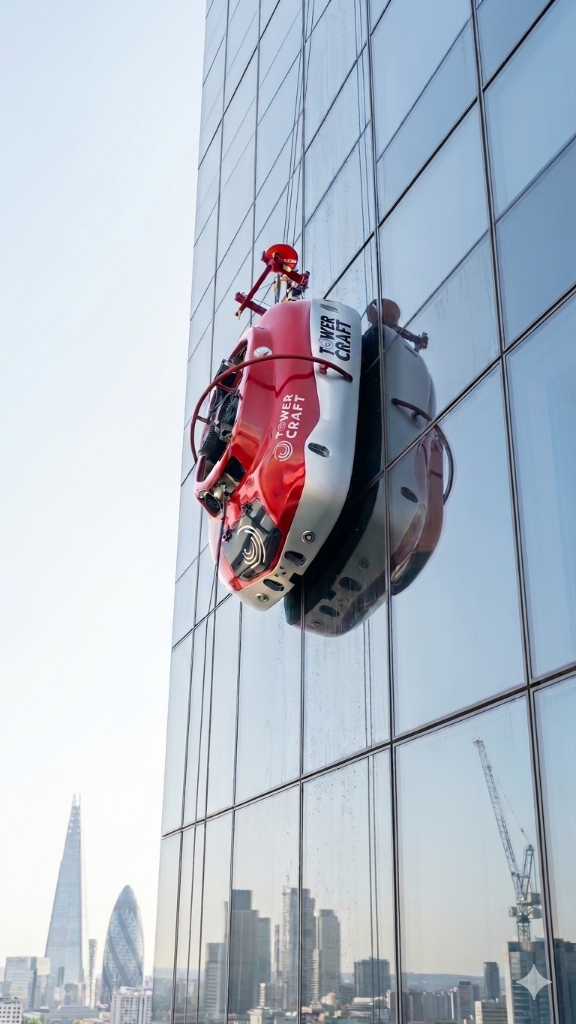
The hierarchy of control dictates that our first priority should always be to avoid working at height altogether. Can the equipment be relocated to ground level? Can we use extendable tools, robot or drone technology for Facade inspections? Eradicating risk means designing out the need to work at height wherever possible. It's 2026 and not 1950 - technological solutions reduces the risk of harm through normal operations yes but, there are additional safety considerations specific to the use of technology that must be induced - most providers of drone or Robot technology come ready packaged for you - use it!
The Chrysalis Approach
We advocate for a 'zero-compromise' standard. When working at height is absolutely unavoidable, the focus must shift to elite-level training, rigorous equipment checks, and an empowered workforce that feels completely comfortable halting work if they spot a hazard.
Better still................... eradicate the risk of harm or the realisation of a hazard to a human being. Use technology. It's quite simple really.
Mike
Related Articles

19 Aug 2026
To 'AI' or Not to 'AI'? Why Facilities Management is Missing the Real Point.
ReadComments
Leave a Comment